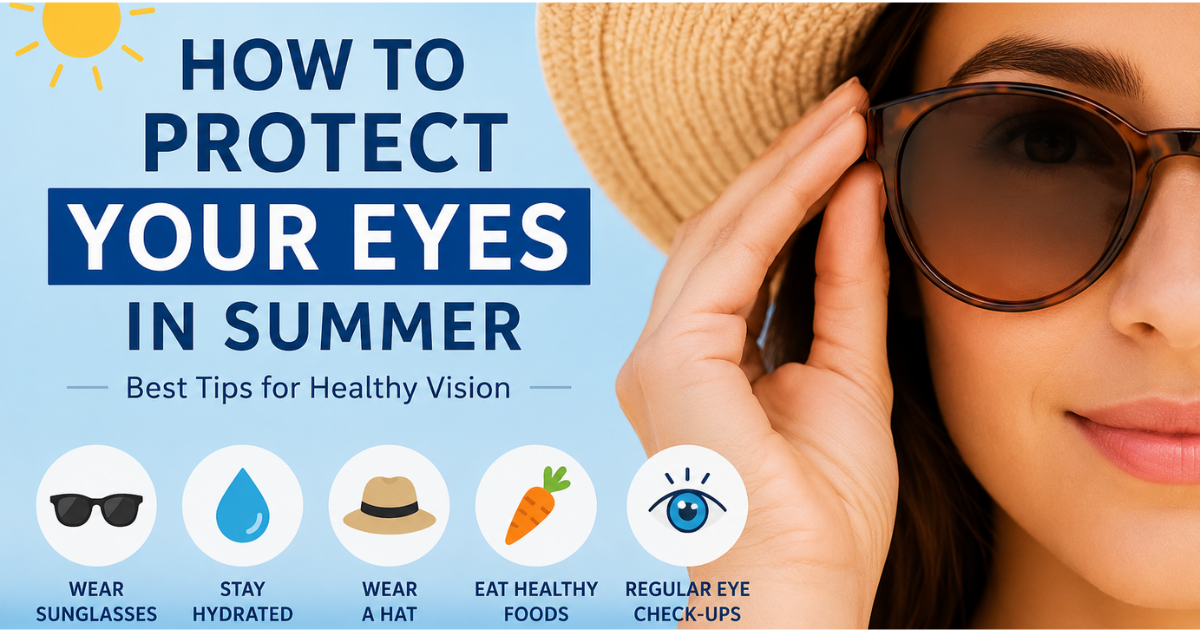
Protect Your Eyes in Summer brings bright sunshine, outdoor adventures, vacations, and longer days. While most people remember to protect their skin from the sun, many forget that their eyes also need special care during the hot summer months. Excessive exposure to sunlight, harmful UV rays, dust, pollution, swimming pool chemicals, and dehydration can all affect eye health and lead to discomfort or even long-term damage.
Whether you’re spending time at the beach, traveling, playing outdoor sports, or simply commuting to work, taking a few precautions can help keep your eyes healthy and comfortable throughout the season.
In this article, we’ll discuss the best summer eye care tips and tricks to protect your vision and prevent common eye problems.
Why Eye Care Is Important During Summer
The sun emits ultraviolet (UV) radiation that can damage the delicate tissues of the eyes. Prolonged exposure to UV rays has been linked to serious eye conditions such as cataracts, macular degeneration, and photokeratitis, also known as sunburn of the eye. In addition, hot weather can cause dehydration, which may reduce tear production and lead to dry, irritated eyes.
Dust, pollen, and air pollution are also more common during summer in many regions, increasing the risk of allergies and eye infections. That’s why taking preventive measures is essential for maintaining good eye health.
1. Wear UV-Protective Sunglasses
One of the simplest and most effective ways to protect your eyes is by wearing sunglasses that block 99% to 100% of UVA and UVB rays.
Good-quality sunglasses help:
- Protect against harmful UV radiation
- Reduce glare from sunlight
- Prevent eye strain
- Shield eyes from dust and wind
- Improve comfort during outdoor activities
When purchasing sunglasses, always check the label to ensure they provide full UV protection. Dark lenses alone do not guarantee protection from UV rays.
2. Stay Hydrated Throughout the Day
Your eyes need adequate moisture to function properly. During summer, excessive sweating and heat can lead to dehydration, which may cause dry, itchy, and irritated eyes.
To stay hydrated:
- Drink at least 8–10 glasses of water daily
- Increase water intake during outdoor activities
- Consume water-rich fruits such as watermelon, cucumber, and oranges
Proper hydration helps maintain tear production and keeps your eyes comfortable.
3. Wear a Wide-Brimmed Hat
A wide-brimmed hat can provide additional protection from direct sunlight. Studies suggest that hats can significantly reduce UV exposure to the eyes and surrounding skin.
Combining a hat with UV-protective sunglasses offers better protection than either one alone.
4. Avoid Looking Directly at the Sun
Looking directly at the sun can cause serious and permanent eye damage. The intense sunlight can harm the retina, the light-sensitive tissue at the back of the eye.
Even during sunrise or sunset, avoid staring directly at the sun without proper eye protection.
5. Use Artificial Tears for Dry Eyes
Many people experience dry eyes during summer due to heat, wind, air conditioning, or prolonged screen use.
Artificial tears or lubricating eye drops can help:
- Reduce dryness
- Relieve irritation
- Improve eye comfort
- Maintain healthy tear film
If symptoms persist, consult an eye care professional for personalized advice.
6. Protect Your Eyes While Swimming
Swimming pools often contain chlorine and other chemicals that can irritate the eyes. Lakes and rivers may contain bacteria and microorganisms that increase the risk of infection.
To protect your eyes:
- Wear swimming goggles
- Avoid opening your eyes underwater
- Rinse your eyes with clean water after swimming
- Remove contact lenses before swimming whenever possible
These simple steps can reduce irritation and help prevent infections.
7. Limit Screen Time
Many people spend hours using smartphones, tablets, laptops, and televisions. Excessive screen use can lead to digital eye strain, causing symptoms such as:
- Dry eyes
- Headaches
- Blurred vision
- Eye fatigue
Follow the 20-20-20 rule:
Every 20 minutes, look at an object 20 feet away for at least 20 seconds.
This helps relax the eye muscles and reduces strain.
8. Avoid Rubbing Your Eyes
Dust, sweat, pollen, and allergens often accumulate on your hands during summer. Rubbing your eyes can transfer bacteria and irritants, increasing the risk of infection and inflammation.
If your eyes feel itchy:
- Wash your hands first
- Rinse your eyes with clean water
- Use prescribed eye drops if necessary
9. Eat Foods That Support Eye Health
Nutrition plays a vital role in maintaining healthy vision. A balanced diet rich in vitamins and antioxidants can help protect your eyes from damage.
Include foods such as:
- Carrots
- Spinach
- Kale
- Sweet potatoes
- Oranges
- Blueberries
- Fish rich in omega-3 fatty acids
- Eggs
- Nuts and seeds
These foods provide essential nutrients like Vitamin A, Vitamin C, Vitamin E, lutein, zeaxanthin, and omega-3 fatty acids.
10. Protect Your Eyes from Dust and Pollution
Summer winds can carry dust, pollen, and pollutants that may irritate the eyes and trigger allergies.
To reduce exposure:
- Wear protective glasses outdoors
- Keep vehicle windows closed in dusty areas
- Wash your face and eyes after returning home
- Use sunglasses during windy weather
11. Take Extra Care with Contact Lenses
Contact lens users may experience increased dryness and discomfort during hot weather.
Helpful tips include:
- Wash hands before handling lenses
- Follow lens cleaning instructions carefully
- Avoid sleeping with contact lenses unless advised by your doctor
- Carry lubricating drops if recommended
Proper lens hygiene reduces the risk of eye infections.
12. Schedule Regular Eye Checkups
Routine eye examinations help detect vision problems and eye diseases before they become serious. If you notice redness, pain, blurred vision, excessive tearing, or sensitivity to light, seek medical attention promptly.
Early diagnosis and treatment can help preserve long-term eye health.
Common Eye Problems During Summer
Several eye conditions become more common during hot weather, including:
- Dry eye syndrome
- Eye allergies
- Conjunctivitis (pink eye)
- Eye irritation from chlorine
- Photokeratitis (sunburned eyes)
- Redness and itching
- Contact lens-related discomfort
Recognizing symptoms early can help prevent complications.
Conclusion
Summer is a wonderful season to enjoy outdoor activities, but it also presents unique challenges for eye health. By wearing UV-protective sunglasses, staying hydrated, limiting screen time, eating nutritious foods, and protecting your eyes from dust, pollution, and chlorine, you can significantly reduce the risk of eye problems.
Healthy eyes contribute to a better quality of life, so make eye protection a part of your daily summer routine. Small preventive measures today can help preserve clear and comfortable vision for years to come.
FAQs
How can I protect my eyes from the summer sun?
Wear UV-protective sunglasses, use a wide-brimmed hat, and avoid looking directly at the sun.
Can hot weather cause dry eyes?
Yes. Heat, dehydration, air conditioning, and wind can all contribute to dry eyes.
Are sunglasses necessary even on cloudy days?
Yes. UV rays can pass through clouds and still damage your eyes.
Is swimming harmful to the eyes?
Swimming without goggles may expose your eyes to chlorine, bacteria, and other irritants.
What foods are best for eye health?
Carrots, leafy green vegetables, fish, eggs, citrus fruits, nuts, and berries are excellent choices for maintaining healthy vision.
Latest Post
- July 23 World Sjögren’s Day 2026 Understanding the “Invisible” Autoimmune Disease
- World Brain Day 2026 History, Importance, Theme, and Tips for a Healthy Brain
- M Solvin Cough Syrup Uses, Benefits, Dosage, Side Effects, Price & Complete Guide
- Chronic Disease Awareness Day Why Awareness, Prevention, and Early Detection Matter
- National Doctors’ Day 2026 History, Significance, Theme, Celebration & Inspiring Facts