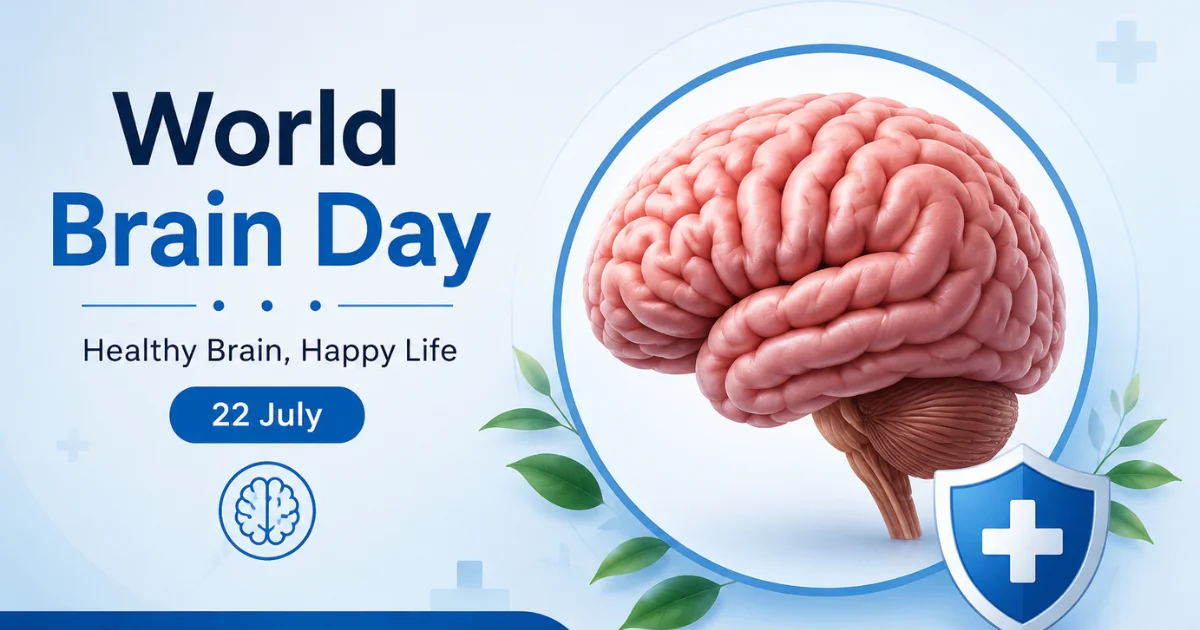
Every year, World Brain Day is observed on 22nd July to raise awareness about brain health and neurological disorders that affect millions of people worldwide. The brain is the body’s control center, responsible for thinking, memory, emotions, movement, and every vital function that keeps us alive.
Unfortunately, brain-related diseases such as stroke, epilepsy, Alzheimer’s disease, Parkinson’s disease, migraine, brain tumors, and traumatic brain injuries continue to affect people of all ages. World Brain Day encourages individuals, healthcare professionals, and governments to work together to improve awareness, prevention, early diagnosis, and treatment of neurological conditions.
In this article, we’ll explore the history of World Brain Day, its importance, common brain disorders, symptoms, prevention strategies, and practical tips to maintain lifelong brain health.
What is World Brain Day?
World Brain Day is an international health awareness campaign observed every year on 22 July. It aims to educate people about neurological diseases, encourage healthy lifestyles, and improve access to quality neurological care.
The campaign reminds everyone that brain health is essential for overall physical, mental, and emotional well-being.
History of World Brain Day
World Brain Day was established by the World Federation of Neurology (WFN) in 2014.
Since its launch, the campaign has focused on different neurological health issues each year, including:
- Stroke prevention
- Parkinson’s disease
- Multiple sclerosis
- Brain health for all
- Epilepsy awareness
- Brain health across all ages
The initiative has grown into a global movement involving neurologists, hospitals, healthcare organizations, educational institutions, and governments.
World Brain Day 2026 Theme
The official theme for World Brain Day 2026 may be announced by the World Federation of Neurology closer to the observance date.
Regardless of the annual theme, the central objective remains the same:
- Promote brain health
- Prevent neurological diseases
- Encourage early diagnosis
- Improve treatment accessibility
- Support patients living with neurological disorders
Why Brain Health Matters
The brain controls nearly every function of the human body, including:
- Memory
- Learning
- Intelligence
- Speech
- Movement
- Balance
- Emotions
- Vision
- Hearing
- Breathing
- Heart rate
- Hormone regulation
Even minor damage to the brain can significantly affect a person’s quality of life.
Common Brain Disorders
1. Stroke
Stroke occurs when blood flow to part of the brain is interrupted.
Symptoms include:
- Sudden weakness
- Difficulty speaking
- Facial drooping
- Vision loss
- Severe headache
Stroke is a medical emergency requiring immediate treatment.
2. Alzheimer’s Disease
Alzheimer’s disease causes progressive memory loss and cognitive decline.
Common symptoms include:
- Forgetfulness
- Confusion
- Difficulty recognizing family members
- Poor judgment
3. Parkinson’s Disease
A movement disorder affecting coordination and muscle control.
Symptoms include:
- Tremors
- Slow movement
- Muscle stiffness
- Balance problems
4. Epilepsy
Epilepsy causes repeated seizures due to abnormal electrical activity in the brain.
Symptoms may include:
- Convulsions
- Loss of awareness
- Staring spells
- Sudden confusion
5. Migraine
Migraine is more than just a headache.
Symptoms include:
- Severe throbbing pain
- Nausea
- Vomiting
- Light sensitivity
- Sound sensitivity
6. Brain Tumors
Brain tumors may be benign or cancerous.
Possible symptoms include:
- Persistent headaches
- Vision changes
- Balance problems
- Personality changes
- Seizures
7. Traumatic Brain Injury (TBI)
Brain injuries often result from:
- Road accidents
- Sports injuries
- Falls
- Workplace accidents
Early treatment greatly improves recovery.
Risk Factors for Brain Disorders
Several lifestyle and medical conditions increase the risk of neurological diseases.
These include:
- High blood pressure
- Diabetes
- Smoking
- Obesity
- High cholesterol
- Physical inactivity
- Alcohol abuse
- Chronic stress
- Poor sleep
- Air pollution
- Head injuries
Warning Signs You Should Never Ignore
Seek immediate medical attention if you experience:
- Sudden numbness
- Loss of balance
- Difficulty speaking
- Sudden confusion
- Severe headache
- Double vision
- Loss of consciousness
- Frequent seizures
- Persistent memory loss
Early diagnosis can save lives and prevent permanent disability.
How to Keep Your Brain Healthy
Eat a Brain-Healthy Diet
Include:
- Green leafy vegetables
- Fruits
- Nuts
- Seeds
- Fish rich in Omega-3
- Whole grains
- Beans
- Olive oil
Limit:
- Sugary drinks
- Processed foods
- Excess salt
- Trans fats
Exercise Regularly
Aim for at least 150 minutes of moderate exercise each week.
Walking, cycling, swimming, yoga, and strength training improve blood circulation to the brain.
Get Enough Sleep
Adults should sleep 7–9 hours every night.
Quality sleep helps:
- Memory formation
- Learning
- Brain repair
- Emotional regulation
Keep Your Mind Active
Challenge your brain through:
- Reading books
- Learning new skills
- Crossword puzzles
- Chess
- Sudoku
- Music
- Language learning
Manage Stress
Long-term stress can affect memory and concentration.
Healthy stress management includes:
- Meditation
- Deep breathing
- Yoga
- Spending time in nature
- Talking with loved ones
Avoid Smoking and Excess Alcohol
Smoking damages blood vessels supplying the brain and significantly increases stroke risk.
Excessive alcohol consumption can impair memory, coordination, and cognitive function.
Control Blood Pressure and Diabetes
Regular health check-ups help detect risk factors early.
Keep blood pressure, cholesterol, and blood sugar under control to reduce the risk of stroke and dementia.
Brain Health Across Different Age Groups
Children
- Balanced nutrition
- Vaccination
- Safe play
- Quality sleep
- Learning activities
Adults
- Regular exercise
- Stress management
- Healthy diet
- Routine health screening
Older Adults
- Stay socially active
- Memory exercises
- Manage chronic diseases
- Prevent falls
- Regular neurological evaluations if needed
How You Can Participate in World Brain Day
You can support the campaign by:
- Sharing brain health information on social media
- Attending awareness programs
- Organizing educational seminars
- Encouraging regular health check-ups
- Supporting people living with neurological disorders
- Promoting healthy lifestyle habits among family and friends
Even small actions can contribute to better brain health awareness.
Frequently Asked Questions (FAQs)
1. When is World Brain Day celebrated?
World Brain Day is observed every year on 22 July.
2. Why is World Brain Day important?
It raises awareness about neurological diseases, promotes prevention, and encourages early diagnosis and treatment.
3. Who started World Brain Day?
The World Federation of Neurology (WFN) launched World Brain Day in 2014.
4. What are the early signs of brain disorders?
Common warning signs include memory loss, severe headaches, weakness, seizures, difficulty speaking, balance problems, and vision changes.
5. Can brain diseases be prevented?
Many neurological conditions can be prevented or their risk reduced through healthy eating, regular exercise, adequate sleep, avoiding tobacco, limiting alcohol, and managing blood pressure, cholesterol, and diabetes.
6. Which foods are good for brain health?
Brain-friendly foods include fish rich in omega-3 fatty acids, leafy greens, berries, nuts, seeds, whole grains, and healthy oils.
7. Does exercise improve brain function?
Yes. Regular physical activity improves blood flow to the brain, supports memory and learning, and lowers the risk of stroke and cognitive decline.
Conclusion
World Brain Day is an important reminder that maintaining brain health is essential throughout life. Simple daily habits—such as eating a nutritious diet, staying physically active, getting enough sleep, managing stress, and seeking prompt medical care for warning signs—can greatly reduce the risk of many neurological disorders.
On 22 July, take the opportunity to learn more about brain health, encourage your loved ones to adopt healthy habits, and help spread awareness. A healthy brain supports a healthier, more productive, and more fulfilling life.
Latest Post
- World Contraception Day 2026 Importance, Methods, Benefits and the Need for Better Awareness
- World Physiotherapy Day Importance, Benefits, and the Role of Physiotherapy in Better Health
- World Sexual Health Day Promoting Awareness, Safety, Respect, and Healthy Relationships
- Gujarat Health Machinery Placed On High Alert Following Chandipura Virus Outbreak
- International Overdose Awareness Day 2026 Meaning, Importance, Overdose Prevention & Awareness