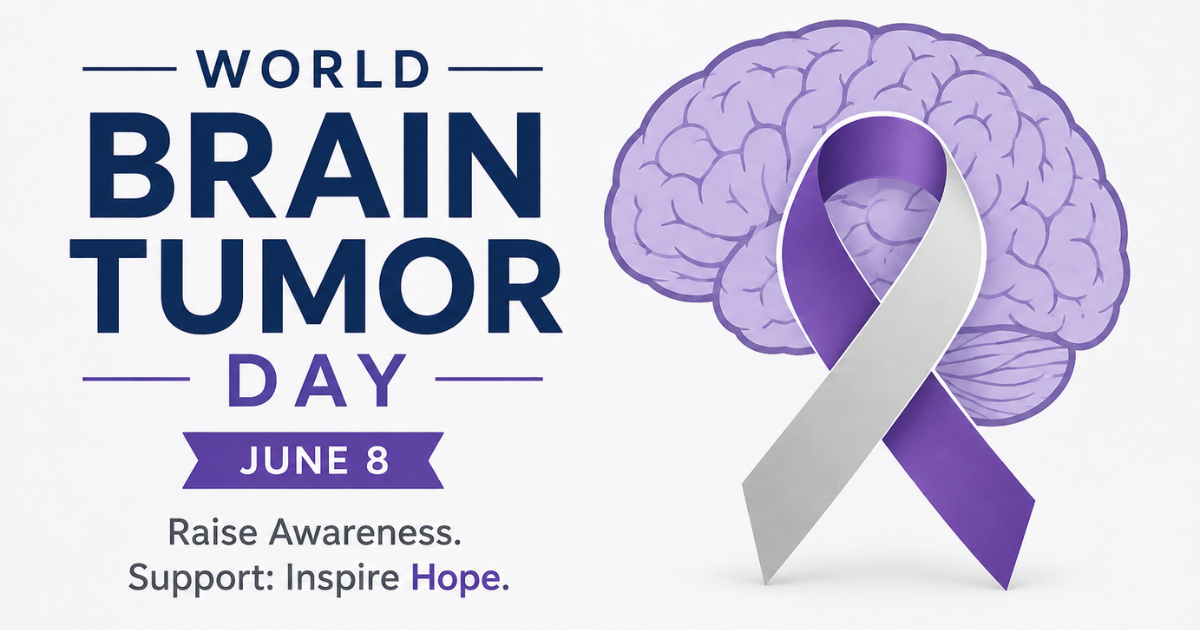
Every year on June 8, people around the world observe World Brain Tumor Day to raise awareness about brain tumors, support patients and caregivers, and promote early diagnosis and treatment. Brain tumors can affect individuals of any age, gender, or background, making awareness and education essential in the fight against this serious health condition.
World Brain Tumor Day serves as a reminder that understanding the symptoms, risk factors, and treatment options can help save lives and improve outcomes for patients.
What Is a Brain Tumor?
A brain tumor is an abnormal growth of cells within the brain or surrounding tissues. Brain tumors can be classified into two main types:
1. Benign Brain Tumors
Benign tumors are non-cancerous and usually grow slowly. Although they do not spread to other parts of the body, they can still cause serious health problems by pressing on vital areas of the brain.
2. Malignant Brain Tumors (Brain Cancer)
Malignant tumors are cancerous and can grow rapidly, invading nearby brain tissue. These tumors often require immediate medical attention and comprehensive treatment.
Brain tumors can also be categorized as:
- Primary Brain Tumors: Originate in the brain.
- Secondary (Metastatic) Brain Tumors: Spread to the brain from cancers in other parts of the body.
Why Is World Brain Tumor Day Important?
Brain tumors are among the most challenging neurological conditions. Many symptoms may initially appear mild or resemble other common health issues, leading to delayed diagnosis.
World Brain Tumor Day aims to:
- Increase public awareness about brain tumors.
- Educate people about early warning signs.
- Encourage timely medical evaluation.
- Support patients and their families.
- Promote research for better treatments and outcomes.
By spreading awareness, more individuals can recognize symptoms early and seek appropriate medical care.
Common Symptoms of Brain Tumors
The symptoms of a brain tumor vary depending on its size, type, and location in the brain. Some common warning signs include:
Persistent Headaches
Frequent or severe headaches, especially those that worsen over time or occur in the morning.
Seizures
Sudden seizures in individuals with no previous history of epilepsy can be an important warning sign.
Vision Problems
Blurred vision, double vision, or loss of peripheral vision may occur when tumors affect areas related to sight.
Memory and Cognitive Changes
Difficulty concentrating, confusion, memory loss, or personality changes may develop.
Balance and Coordination Issues
Problems with walking, dizziness, or poor coordination can indicate neurological involvement.
Nausea and Vomiting
Unexplained nausea and vomiting, especially in the morning, can result from increased pressure within the skull.
Weakness or Numbness
Weakness in the arms, legs, or face may occur depending on the tumor’s location.
If any of these symptoms persist, consulting a healthcare professional is highly recommended.
Risk Factors for Brain Tumors
While the exact cause of most brain tumors remains unknown, several factors may increase the risk:
- Exposure to high doses of ionizing radiation.
- Family history of certain genetic conditions.
- Previous cancer that may spread to the brain.
- Certain inherited syndromes.
It is important to note that having risk factors does not necessarily mean a person will develop a brain tumor.
How Are Brain Tumors Diagnosed?
Early diagnosis plays a critical role in treatment success. Healthcare providers may use several methods to diagnose brain tumors, including:
Neurological Examination
A detailed assessment of brain and nervous system function.
Imaging Tests
- MRI (Magnetic Resonance Imaging)
- CT Scan (Computed Tomography)
These imaging techniques help identify the tumor’s size and location.
Biopsy
A tissue sample may be collected and examined to determine whether the tumor is benign or malignant.
Treatment Options for Brain Tumors
Treatment depends on factors such as tumor type, size, location, and the patient’s overall health.
Surgery
Surgical removal is often the first treatment option when possible.
Radiation Therapy
High-energy radiation targets and destroys tumor cells.
Chemotherapy
Specialized medications help kill or slow the growth of cancer cells.
Targeted Therapy
Certain drugs specifically target cancer-related molecular changes.
Rehabilitation and Supportive Care
Physical therapy, occupational therapy, and counseling can help patients maintain quality of life during recovery.
Living With a Brain Tumor
A brain tumor diagnosis can be emotionally and physically challenging. Patients often benefit from:
- Strong family and social support.
- Professional counseling.
- Support groups and patient communities.
- Healthy lifestyle habits.
- Regular follow-up appointments.
Caregivers also play a crucial role in providing emotional and practical support throughout the treatment journey.
How You Can Support World Brain Tumor Day
Everyone can contribute to raising awareness by:
- Sharing educational information on social media.
- Participating in awareness campaigns.
- Supporting brain tumor research initiatives.
- Encouraging regular health checkups.
- Offering support to affected individuals and families.
Even small actions can help spread awareness and improve understanding of brain tumors.
Conclusion
World Brain Tumor Day highlights the importance of education, early detection, and support for those affected by brain tumors and brain cancer. While advances in medical science continue to improve diagnosis and treatment, awareness remains one of the most powerful tools in combating this condition.
Recognizing symptoms early and seeking timely medical attention can make a significant difference in treatment outcomes. On this World Brain Tumor Day, let us work together to spread awareness, support patients, and promote hope for a healthier future.
Frequently Asked Questions (FAQs)
Q1. When is World Brain Tumor Day observed?
World Brain Tumor Day is observed annually on June 8.
Q2. Are all brain tumors cancerous?
No. Brain tumors can be benign (non-cancerous) or malignant (cancerous).
Q3. What is the most common symptom of a brain tumor?
Persistent headaches are common, but symptoms vary depending on the tumor’s location and size.
Q4. Can brain tumors be cured?
Many brain tumors can be successfully treated, especially when diagnosed early. Outcomes depend on the type and stage of the tumor.
Q5. Why is awareness important?
Awareness helps people recognize symptoms early, seek medical attention promptly, and support ongoing research efforts.
SEO Keywords: World Brain Tumor Day, Brain Cancer Awareness, Brain Tumor Symptoms, Brain Tumor Diagnosis, Brain Cancer Treatment, June 8 Brain Tumor Day, Brain Health Awareness, Brain Tumor Risk Factors.
Latest Post
- July 23 World Sjögren’s Day 2026 Understanding the “Invisible” Autoimmune Disease
- World Brain Day 2026 History, Importance, Theme, and Tips for a Healthy Brain
- M Solvin Cough Syrup Uses, Benefits, Dosage, Side Effects, Price & Complete Guide
- Chronic Disease Awareness Day Why Awareness, Prevention, and Early Detection Matter
- National Doctors’ Day 2026 History, Significance, Theme, Celebration & Inspiring Facts