Introduction
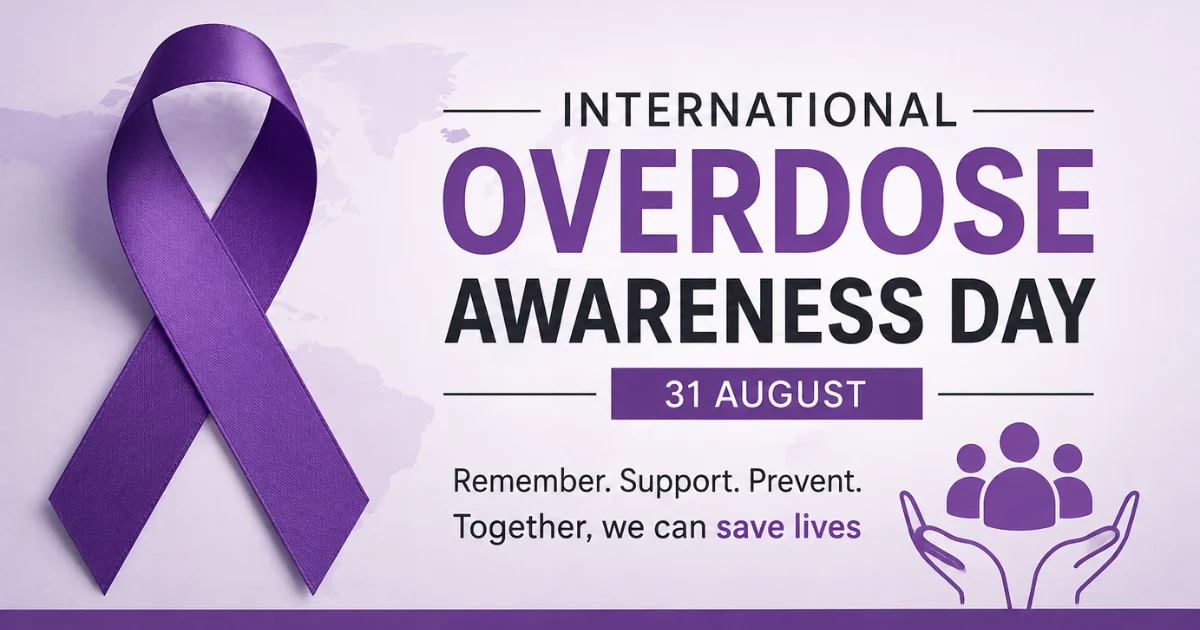
Every year on August 31, the world observes International Overdose Awareness Day (IOAD) to remember those who have lost their lives to drug overdose, support grieving families and friends, and raise awareness about overdose prevention. It is the world’s largest annual campaign focused on ending overdose deaths and reducing the stigma associated with substance use and drug-related fatalities.
Drug overdose is a major public health challenge that affects people of all ages, backgrounds, and communities. Many overdose deaths are preventable through education, timely medical intervention, access to treatment, and compassionate support.
International Overdose Awareness Day reminds us that every life matters and that people struggling with substance use deserve care, respect, and evidence-based treatment rather than judgment.
What Is International Overdose Awareness Day?
International Overdose Awareness Day was established in 2001 in Melbourne, Australia. Since then, it has grown into a global movement observed in more than 40 countries through educational campaigns, memorial events, community gatherings, and awareness programs.
The day serves several important purposes:
- Remember people who have died from overdose.
- Support families, friends, and communities affected by overdose.
- Increase public awareness about overdose prevention.
- Encourage evidence-based treatment for substance use disorders.
- Reduce discrimination and stigma toward people who use drugs.
- Advocate for policies that save lives.
Why Is Drug Overdose a Global Concern?
A drug overdose occurs when a person consumes more of a drug than the body can safely process. Overdoses may involve:
- Prescription medications
- Opioids
- Heroin
- Synthetic opioids
- Cocaine
- Methamphetamine
- Alcohol
- Sedatives
- Multiple substances taken together
Overdose can happen intentionally or accidentally. Many cases involve people who were unaware of the strength or contents of the substances they consumed.
Without prompt treatment, overdose can lead to permanent brain damage or death.
Common Causes of Drug Overdose
Several factors increase the risk of overdose, including:
- Misuse of prescription painkillers
- Taking higher doses than prescribed
- Mixing drugs with alcohol
- Combining opioids with sleeping pills or sedatives
- Using illicit drugs contaminated with highly potent synthetic opioids
- Relapse after a period of abstinence, when drug tolerance has decreased
- Lack of awareness about drug interactions
Understanding these risks is essential for preventing overdose-related deaths.
Signs and Symptoms of an Overdose
Recognizing an overdose quickly can save a life.
Common warning signs include:
- Difficulty breathing or stopped breathing
- Blue or gray lips and fingertips
- Extreme drowsiness or inability to wake up
- Pinpoint pupils (especially with opioid overdose)
- Slow heartbeat
- Loss of consciousness
- Seizures (with some drugs)
- Vomiting
- Cold or clammy skin
If you suspect someone is experiencing an overdose, treat it as a medical emergency and seek immediate help.
What to Do During a Suspected Overdose
Quick action can prevent death.
1. Call emergency medical services immediately.
Do not wait for symptoms to worsen.
2. Check breathing and responsiveness.
If the person is not breathing normally, begin basic life support if trained.
3. Administer naloxone if available.
Naloxone is a medication that can temporarily reverse opioid overdose and restore breathing. It should be given as soon as opioid overdose is suspected.
4. Keep the person safe.
If unconscious but breathing, place them in the recovery position to reduce the risk of choking.
5. Stay with the person until help arrives.
Never leave someone alone during a suspected overdose.
The Importance of Reducing Stigma
One of the main goals of International Overdose Awareness Day is to reduce the stigma surrounding drug use and overdose.
Stigma can prevent people from:
- Seeking medical help
- Talking openly about addiction
- Accessing treatment
- Carrying life-saving overdose reversal medications
- Supporting friends or family members
Substance use disorder is a medical condition—not a moral failure. Treating people with empathy and dignity encourages recovery and saves lives.
Preventing Drug Overdose
Many overdose deaths can be prevented through simple but effective measures:
- Take medicines only as prescribed.
- Never share prescription medications.
- Avoid mixing drugs with alcohol.
- Learn about possible drug interactions.
- Store medicines safely.
- Seek professional help for substance use disorders.
- Ensure access to naloxone where appropriate.
- Support harm reduction and community education programs.
Education and early intervention are among the most effective tools for preventing overdose.
Supporting Someone With Substance Use Disorder
If someone you know is struggling with drug use:
- Listen without judgment.
- Encourage them to seek professional treatment.
- Learn about addiction and recovery.
- Offer emotional support.
- Celebrate small recovery milestones.
- Be patient throughout the recovery process.
Recovery is possible, and compassionate support can make a meaningful difference.
Theme and Message
Although themes may vary each year, the central message remains the same:
“Together, we can prevent overdose deaths, support recovery, and treat every individual with dignity and compassion.”
Communities, healthcare professionals, policymakers, educators, and families all have a role to play in reducing overdose deaths and improving access to treatment.
How You Can Observe International Overdose Awareness Day
You can contribute by:
- Wearing a silver badge or ribbon in remembrance.
- Attending local awareness events.
- Sharing educational information on social media.
- Learning CPR and overdose response skills.
- Supporting organizations working in addiction recovery.
- Starting conversations about mental health and substance use.
- Remembering those who have lost their lives.
Every conversation helps reduce stigma and encourages people to seek help.
Frequently Asked Questions (FAQs)
1. When is International Overdose Awareness Day observed?
It is observed every year on August 31.
2. What is the purpose of International Overdose Awareness Day?
Its purpose is to raise awareness about overdose prevention, remember those who have died from overdose, support affected families, and reduce the stigma associated with drug-related deaths.
3. What is an overdose?
An overdose occurs when a person consumes more of a drug than the body can safely handle, leading to serious illness or death if untreated.
4. Can overdoses be prevented?
Yes. Many overdose deaths are preventable through education, responsible medication use, timely emergency care, access to treatment, and overdose-reversal medicines such as naloxone for opioid overdoses.
5. Why is stigma harmful?
Stigma discourages people from seeking help, discussing addiction openly, and accessing treatment. Reducing stigma improves health outcomes and supports recovery.
Conclusion
International Overdose Awareness Day is more than a day of remembrance—it is a global call to action. By increasing awareness, promoting evidence-based treatment, supporting harm reduction, and replacing judgment with compassion, we can help prevent avoidable overdose deaths.
Every person deserves the opportunity to recover, every family deserves support, and every community benefits when we choose understanding over stigma. Together, we can save lives and build a future where overdose deaths are reduced and people affected by substance use are treated with dignity, respect, and hope.
Latest Post
- World Contraception Day 2026 Importance, Methods, Benefits and the Need for Better Awareness
- World Physiotherapy Day Importance, Benefits, and the Role of Physiotherapy in Better Health
- World Sexual Health Day Promoting Awareness, Safety, Respect, and Healthy Relationships
- Gujarat Health Machinery Placed On High Alert Following Chandipura Virus Outbreak
- International Overdose Awareness Day 2026 Meaning, Importance, Overdose Prevention & Awareness