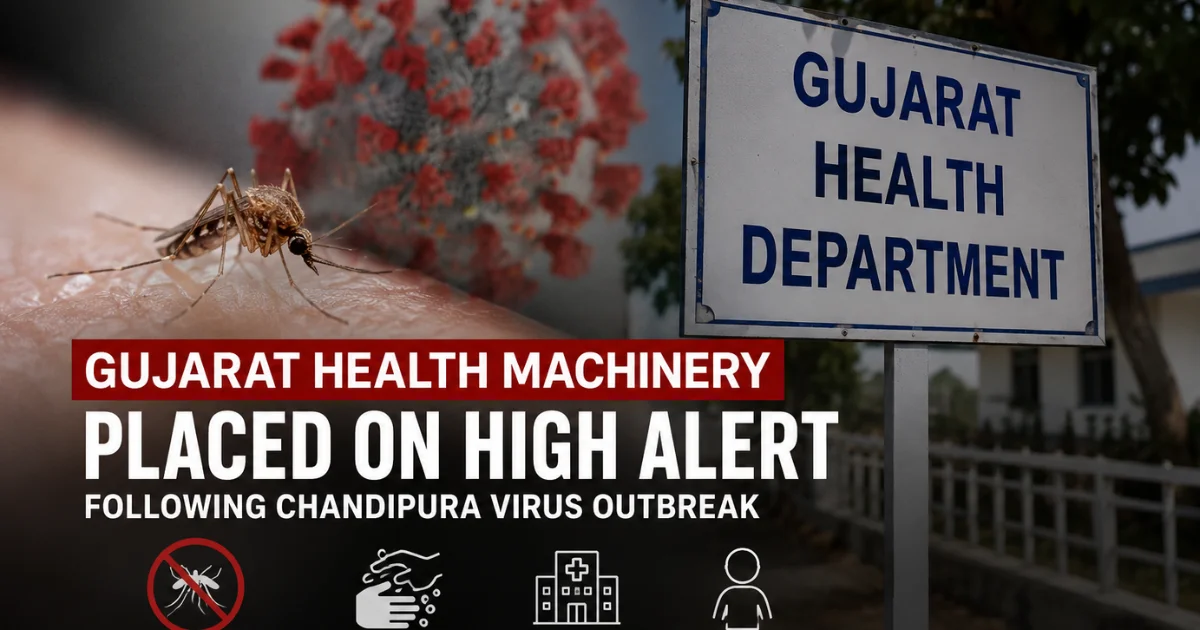
Gujarat has once again intensified its public health response after a rise in Chandipura virus (CHPV) cases, prompting the state government to place the entire health machinery on high alert. The virus, which primarily affects children, is known for causing Acute Encephalitis Syndrome (AES) and can progress rapidly, making early diagnosis and immediate medical care extremely important.
According to the latest official updates, the Gujarat Health Department has strengthened surveillance, hospital preparedness, vector-control activities, and community awareness campaigns across multiple districts to prevent further spread of the disease.
Latest Situation in Gujarat (2026)
Health Minister Praful Pansheriya confirmed that:
- Around 184 suspected cases have been reported.
- 35 cases have tested positive for Chandipura virus.
- 22 deaths have been reported among suspected or confirmed cases.
- 11 laboratory reports are still pending.
- Several children are currently receiving treatment in intensive care units across different districts, while some have recovered and been discharged.
Because the cases are spread across different districts rather than being confined to a single location, authorities have adopted a statewide surveillance strategy.
What is Chandipura Virus?
Chandipura virus (CHPV) belongs to the Rhabdoviridae family and was first identified in Chandipura village, Maharashtra, in 1965.
The infection mainly affects:
- Children below 15 years
- Rural populations
- Areas with poor sanitation
- Regions experiencing heavy monsoon activity
The disease can cause inflammation of the brain (encephalitis), which may become life-threatening within a very short period if treatment is delayed.
How Does the Virus Spread?
Unlike COVID-19 or influenza, Chandipura virus does not spread from person to person.
The virus is believed to be transmitted primarily through the bite of infected:
- Sandflies
- Possibly mosquitoes
- Occasionally ticks
During the monsoon season, breeding conditions for these insects improve, increasing the risk of transmission.
Common Symptoms
Symptoms often begin suddenly and may worsen within hours.
Early Symptoms
- High fever
- Severe headache
- Vomiting
- Weakness
- Body pain
Advanced Symptoms
- Seizures
- Confusion
- Altered consciousness
- Unresponsiveness
- Coma
Children showing these symptoms require immediate hospitalization because the disease progresses very rapidly.
Why Are Children More Vulnerable?
Experts believe children are at higher risk because:
- Their immune systems are still developing.
- They spend more time playing outdoors where insect exposure is greater.
- Early symptoms may resemble common viral fever, delaying diagnosis.
This explains why most severe cases reported during outbreaks occur in young children.
Gujarat Government’s Response
To control the outbreak, the Gujarat government has initiated multiple emergency measures, including:
- Statewide health alert
- Intensive surveillance
- Rapid response teams
- Hospital preparedness
- Availability of ICU beds
- Laboratory testing
- Door-to-door health monitoring
- Public awareness campaigns
- Insecticide spraying in affected villages
- Advisories to reduce sandfly breeding by sealing cracks in mud walls and improving sanitation.
Diagnosis
Doctors may suspect Chandipura virus in children presenting with acute encephalitis symptoms.
Diagnosis is confirmed using:
- RT-PCR test
- IgM ELISA antibody testing
Early laboratory confirmation helps guide treatment and surveillance.
Is There Any Treatment?
Currently:
- No specific antiviral medicine is available.
- No approved vaccine exists for Chandipura virus.
Treatment is mainly supportive and includes:
- ICU monitoring
- Oxygen therapy
- Ventilator support if needed
- Intravenous fluids
- Control of seizures
- Management of brain swelling
Early hospitalization significantly improves the chances of survival.
Prevention Tips
Since there is no vaccine, prevention focuses on avoiding insect bites.
Protect Children
- Use mosquito and sandfly nets.
- Wear full-sleeved clothing.
- Apply insect repellents approved for children.
- Keep children indoors during peak insect activity.
Maintain Clean Surroundings
- Remove stagnant water.
- Keep animal shelters clean.
- Dispose of waste properly.
- Repair cracks in mud walls where sandflies may breed.
Seek Medical Help Early
If a child develops:
- Sudden fever
- Vomiting
- Seizures
- Drowsiness
visit the nearest hospital immediately.
Should People Panic?
No.
Health experts advise remaining alert but not panicking.
Although Chandipura virus can be serious, it is not considered contagious between people. Early diagnosis, rapid hospitalization, and effective vector control are the best ways to reduce severe outcomes.
Public Health Message
The Gujarat outbreak highlights the importance of:
- Strong disease surveillance
- Early reporting of symptoms
- Public awareness
- Vector control
- Prompt medical care
Parents should never ignore sudden fever accompanied by neurological symptoms in children, especially during the monsoon season.
Conclusion
The Gujarat government’s decision to place its health machinery on high alert reflects the seriousness of the current Chandipura virus outbreak. With confirmed infections, suspected deaths, and ongoing surveillance, health authorities are working to prevent further spread through rapid diagnosis, hospital preparedness, and extensive vector-control measures.
While there is no specific treatment or vaccine, awareness and early medical attention remain the most effective tools for protecting children and reducing fatalities. Families should follow preventive measures, keep their surroundings clean, and seek immediate healthcare if warning signs appear.
Disclaimer: This article is for educational and awareness purposes only and should not replace professional medical advice. If you or your child develops symptoms suggestive of Chandipura virus infection, consult a qualified healthcare provider or visit the nearest hospital immediately.
Latest Post
- World Contraception Day 2026 Importance, Methods, Benefits and the Need for Better Awareness
- World Physiotherapy Day Importance, Benefits, and the Role of Physiotherapy in Better Health
- World Sexual Health Day Promoting Awareness, Safety, Respect, and Healthy Relationships
- Gujarat Health Machinery Placed On High Alert Following Chandipura Virus Outbreak
- International Overdose Awareness Day 2026 Meaning, Importance, Overdose Prevention & Awareness