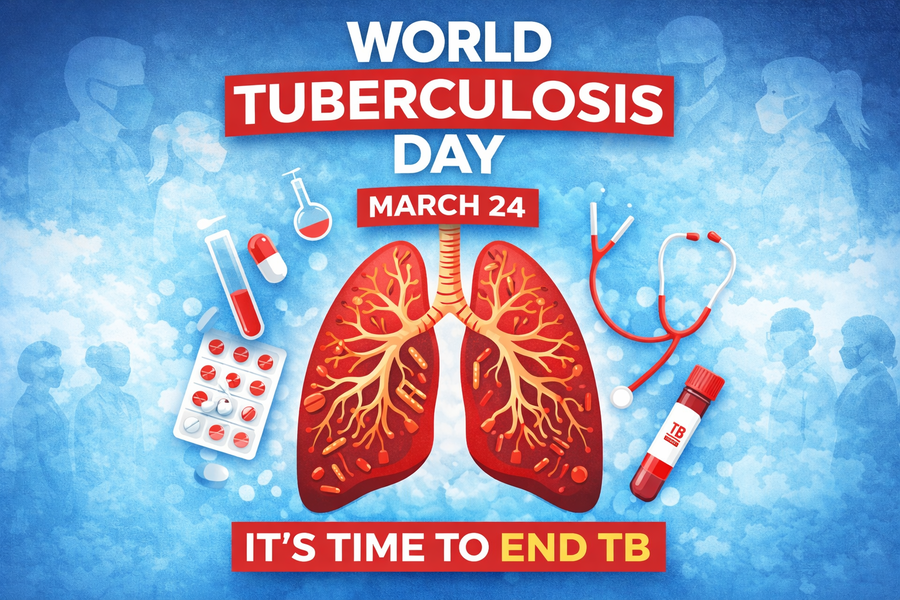
World Tuberculosis Day is observed every year on March 24 to raise awareness about tuberculosis (TB), a serious infectious disease that continues to affect millions of people worldwide. This global health awareness day highlights the efforts being made to eliminate TB and encourages governments, healthcare organizations, and communities to work together to end the disease.
Despite significant medical advances, tuberculosis remains one of the leading causes of death from infectious diseases. World Tuberculosis Day serves as a reminder that early diagnosis, proper treatment, and public awareness are essential to control and eventually eliminate TB.
What is Tuberculosis?
Tuberculosis (TB) is a bacterial infection caused by Mycobacterium tuberculosis. It mainly affects the lungs, but it can also affect other parts of the body such as the brain, spine, and kidneys.
TB spreads through the air when an infected person coughs, sneezes, speaks, or laughs. People nearby may inhale the bacteria and become infected.
Although TB is contagious, it is preventable and curable with proper medical treatment.
Why World Tuberculosis Day is Observed
World Tuberculosis Day marks the date in 1882 when Dr. Robert Koch announced his discovery of the bacterium that causes tuberculosis. This discovery made it possible to diagnose and treat TB effectively.
The main goals of this day include:
- Increasing public awareness about tuberculosis
- Encouraging early testing and treatment
- Reducing stigma associated with TB
- Promoting global efforts to eliminate the disease
- Supporting research and improved healthcare systems
Symptoms of Tuberculosis
The symptoms of TB may develop slowly and can sometimes be mistaken for other illnesses.
Common symptoms include:
- Persistent cough lasting more than 2–3 weeks
- Chest pain
- Coughing up blood or sputum
- Fever and night sweats
- Unexplained weight loss
- Fatigue and weakness
- Loss of appetite
If someone experiences these symptoms, it is important to seek medical testing immediately.
How Tuberculosis Spreads
Tuberculosis spreads from person to person through tiny droplets in the air.
Common ways TB spreads include:
- Close contact with an infected person
- Living or working in crowded environments
- Poor ventilation in indoor spaces
However, TB does not spread through:
- Handshakes
- Sharing food
- Touching surfaces
- Casual contact
Understanding how TB spreads helps people take preventive measures.
Who is at Higher Risk?
Some people have a higher risk of developing tuberculosis, including:
- People with weakened immune systems
- Individuals with HIV/AIDS
- People with diabetes
- Malnourished individuals
- Healthcare workers exposed to TB patients
- People living in overcrowded conditions
Early screening in high-risk groups can help detect TB at an early stage.
Diagnosis of Tuberculosis
Healthcare providers use several tests to diagnose TB.
Common diagnostic tests include:
- TB skin test (Mantoux test)
- Chest X-ray
- Sputum test
- Molecular diagnostic tests
Early diagnosis is essential because it helps prevent the spread of the disease and allows patients to start treatment quickly.
Treatment for Tuberculosis
Tuberculosis is curable with proper treatment.
Treatment usually involves a combination of antibiotics taken for 6–9 months. It is extremely important that patients complete the full course of medication, even if symptoms improve earlier.
Stopping treatment too early can lead to drug-resistant TB, which is much more difficult to treat.
Prevention of Tuberculosis
Several measures can help prevent TB infection.
Important prevention strategies include:
- Early diagnosis and treatment of infected individuals
- Vaccination with BCG vaccine in many countries
- Proper ventilation in homes and workplaces
- Wearing masks in high-risk environments
- Regular screening for high-risk populations
Public health programs play a crucial role in preventing TB transmission.
Global Efforts to End Tuberculosis
Many international health organizations and governments are working together to eliminate tuberculosis.
Global initiatives focus on:
- Improving access to TB diagnosis and treatment
- Developing better vaccines and medicines
- Strengthening healthcare systems
- Reducing poverty and malnutrition, which contribute to TB spread
The global goal is to end the TB epidemic in the coming decades.
How You Can Support World Tuberculosis Day
Everyone can contribute to TB awareness and prevention.
You can help by:
- Learning about tuberculosis and sharing accurate information
- Encouraging people with symptoms to seek medical care
- Supporting TB awareness campaigns
- Promoting healthy living and strong immune systems
- Reducing stigma toward TB patients
Awareness and education are powerful tools in the fight against tuberculosis.
Frequently Asked Questions (FAQs)
1. When is World Tuberculosis Day observed?
World Tuberculosis Day is observed every year on March 24.
2. What causes tuberculosis?
Tuberculosis is caused by the bacterium Mycobacterium tuberculosis.
3. Is tuberculosis curable?
Yes, TB is curable with proper antibiotic treatment taken for several months.
4. How does TB spread?
TB spreads through airborne droplets when an infected person coughs or sneezes.
5. What is the best way to prevent TB?
Early diagnosis, proper treatment, vaccination, and good ventilation help prevent TB.
Conclusion
World Tuberculosis Day reminds us that tuberculosis is still a major global health challenge. By raising awareness, promoting early diagnosis, and ensuring proper treatment, we can move closer to a world free from TB.
Every effort counts—from healthcare professionals to communities and individuals. Together, we can help stop TB and save lives.
Latest Post
- July 23 World Sjögren’s Day 2026 Understanding the “Invisible” Autoimmune Disease
- World Brain Day 2026 History, Importance, Theme, and Tips for a Healthy Brain
- M Solvin Cough Syrup Uses, Benefits, Dosage, Side Effects, Price & Complete Guide
- Chronic Disease Awareness Day Why Awareness, Prevention, and Early Detection Matter
- National Doctors’ Day 2026 History, Significance, Theme, Celebration & Inspiring Facts