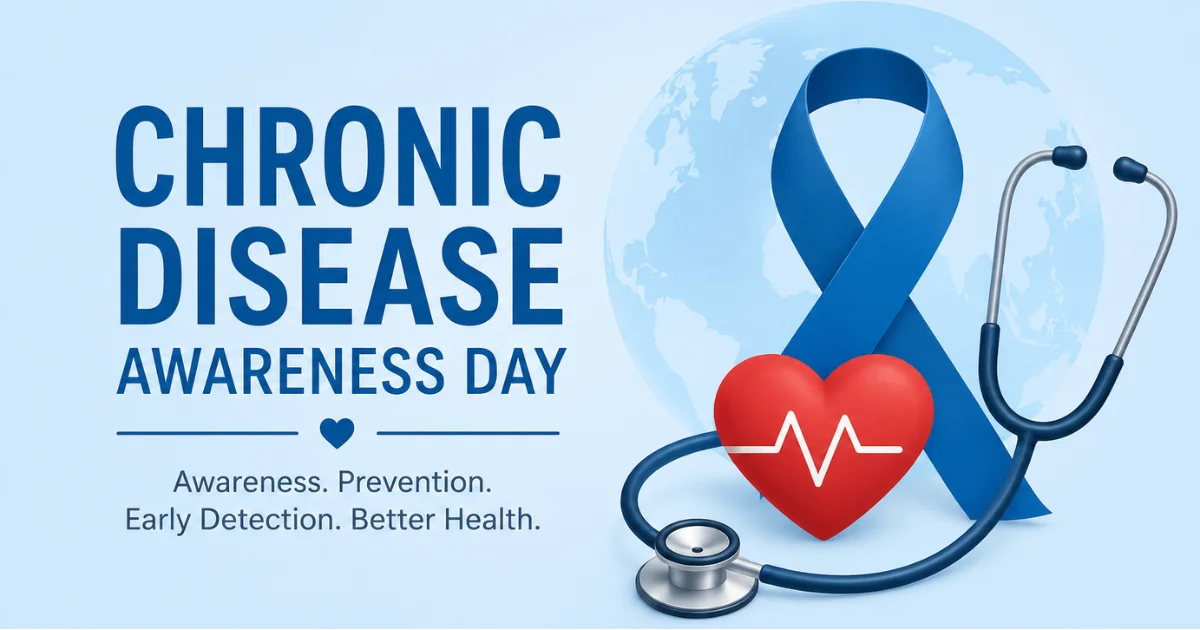
Every year, Chronic Disease Awareness Day serves as an important reminder that millions of people worldwide are living with long-term health conditions that can significantly affect their quality of life. While many chronic diseases cannot be completely cured, they can often be prevented, managed, or delayed through healthy lifestyle choices, regular medical checkups, and early diagnosis.
Chronic diseases are among the leading causes of disability and death globally. Conditions such as heart disease, diabetes, chronic respiratory diseases, kidney disease, arthritis, and certain cancers continue to impact individuals, families, and healthcare systems. Raising awareness encourages people to recognize risk factors, adopt healthier habits, and seek timely medical care.
In this article, we’ll explore what chronic diseases are, their common causes, prevention strategies, and why Chronic Disease Awareness Day is so important.
What Are Chronic Diseases?
Chronic diseases are medical conditions that develop slowly and typically last for a year or longer. Unlike short-term illnesses such as the common cold or seasonal flu, chronic diseases often require ongoing medical attention and lifestyle management.
Some of the most common chronic diseases include:
- Heart disease
- Type 2 diabetes
- High blood pressure (Hypertension)
- Chronic kidney disease
- Chronic obstructive pulmonary disease (COPD)
- Asthma
- Arthritis
- Osteoporosis
- Stroke
- Certain types of cancer
Many of these diseases progress silently, showing few or no symptoms during their early stages. This makes routine health screenings especially important.
Why Chronic Disease Awareness Day Matters
Awareness is the first step toward prevention. Chronic Disease Awareness Day helps educate people about:
- Understanding risk factors
- Recognizing early warning signs
- Encouraging healthy lifestyle choices
- Promoting preventive healthcare
- Supporting individuals living with chronic illnesses
Many chronic diseases are linked to lifestyle habits that can be modified. Education empowers people to make informed decisions about their health before serious complications develop.
Common Risk Factors for Chronic Diseases
Several factors increase the risk of developing chronic illnesses. Some are unavoidable, while others can be controlled.
1. Unhealthy Diet
A diet high in processed foods, sugar, salt, and unhealthy fats contributes to obesity, diabetes, hypertension, and heart disease.
2. Physical Inactivity
Lack of regular exercise increases the risk of obesity, cardiovascular disease, diabetes, and poor mental health.
3. Tobacco Use
Smoking damages nearly every organ in the body and significantly increases the risk of lung disease, heart disease, stroke, and several cancers.
4. Excessive Alcohol Consumption
Heavy alcohol intake may contribute to liver disease, hypertension, certain cancers, and heart problems.
5. Obesity
Being overweight places additional stress on the heart, joints, kidneys, and other organs while increasing the likelihood of several chronic diseases.
6. Family History
Genetics can play a role in diseases like diabetes, hypertension, and certain cancers. Knowing your family medical history helps identify potential risks.
7. Chronic Stress
Long-term stress may contribute to high blood pressure, heart disease, anxiety, depression, and weakened immunity.
Common Symptoms That Should Not Be Ignored
Although symptoms vary depending on the condition, some warning signs deserve medical attention, including:
- Persistent fatigue
- Frequent urination
- Excessive thirst
- Chest pain
- Shortness of breath
- Unexplained weight loss
- Swelling in the legs
- Persistent cough
- Joint pain
- High blood pressure
- Frequent headaches
- Changes in vision
Early evaluation can help identify problems before they become severe.
Can Chronic Diseases Be Prevented?
While not every chronic disease is preventable, many can be delayed or avoided by making healthier choices.
Eat a Balanced Diet
Focus on:
- Fresh fruits
- Vegetables
- Whole grains
- Lean proteins
- Healthy fats
- Low-fat dairy
- Plenty of water
Reduce:
- Sugary beverages
- Processed foods
- Fast food
- Excess salt
- Saturated fats
Stay Physically Active
Adults should aim for at least 150 minutes of moderate physical activity each week.
Examples include:
- Walking
- Cycling
- Swimming
- Yoga
- Dancing
- Strength training
Regular exercise supports heart health, weight management, and blood sugar control.
Maintain a Healthy Weight
Even modest weight loss can reduce the risk of diabetes, hypertension, and heart disease.
Quit Smoking
Stopping smoking provides immediate and long-term health benefits. It’s never too late to quit.
Limit Alcohol
Moderate or avoid alcohol consumption to reduce health risks.
Manage Stress
Healthy stress management techniques include:
- Meditation
- Deep breathing exercises
- Regular exercise
- Adequate sleep
- Spending time with family and friends
- Practicing hobbies
Get Enough Sleep
Adults generally need 7–9 hours of quality sleep every night for optimal physical and mental health.
Importance of Regular Health Checkups
Routine health screenings can detect chronic diseases before symptoms appear.
Important health checks include:
- Blood pressure measurement
- Blood sugar testing
- Cholesterol testing
- Kidney function tests
- Liver function tests
- Body Mass Index (BMI)
- Eye examination
- Cancer screenings as recommended
- Bone density tests for older adults
People with a family history of chronic illness may require more frequent screenings.
Living Well with a Chronic Disease
Receiving a chronic disease diagnosis does not mean life has to stop. Many people lead healthy, productive lives by following their treatment plans.
Effective disease management includes:
- Taking medications as prescribed
- Attending regular medical appointments
- Monitoring blood sugar or blood pressure when necessary
- Staying physically active
- Eating nutritious meals
- Avoiding tobacco
- Managing stress
- Learning about your condition
- Seeking support from healthcare professionals and loved ones
Consistency is key to preventing complications.
The Role of Family and Community
Support from family, friends, employers, schools, and communities plays a major role in managing chronic illnesses.
Communities can contribute by:
- Organizing awareness campaigns
- Promoting healthy eating
- Creating opportunities for physical activity
- Encouraging regular health screenings
- Reducing stigma associated with chronic diseases
Together, we can build healthier environments for everyone.
How You Can Observe Chronic Disease Awareness Day
Simple actions can make a difference:
- Schedule your annual health checkup.
- Encourage family members to get screened.
- Learn about common chronic diseases.
- Share reliable health information on social media.
- Start exercising regularly.
- Choose healthier meals.
- Help someone living with a chronic illness.
- Quit smoking if you currently smoke.
Small lifestyle improvements today can lead to healthier tomorrows.
Final Thoughts
Chronic Disease Awareness Day is more than just a date on the calendar—it is a call to action. Chronic diseases affect millions of people, but many cases can be prevented or better managed through healthy living, early detection, and regular medical care.
Making informed choices today can reduce the risk of serious complications in the future. Whether it’s eating healthier, staying active, quitting smoking, or scheduling a routine health checkup, every positive step counts.
Take charge of your health, encourage those around you to do the same, and remember that prevention and awareness remain our strongest tools against chronic disease.
Frequently Asked Questions (FAQs)
1. What is Chronic Disease Awareness Day?
It is a health awareness initiative that promotes education about chronic diseases, their prevention, early detection, and effective management.
2. What are the most common chronic diseases?
Common chronic diseases include heart disease, diabetes, hypertension, chronic kidney disease, arthritis, asthma, COPD, stroke, and certain cancers.
3. Can chronic diseases be prevented?
Many chronic diseases can be prevented or delayed through healthy eating, regular exercise, avoiding tobacco, limiting alcohol, maintaining a healthy weight, and routine health screenings.
4. Why are regular health checkups important?
Regular screenings help detect diseases early, allowing timely treatment and reducing the risk of serious complications.
5. Who is at higher risk of chronic diseases?
Individuals with unhealthy lifestyles, obesity, smoking habits, physical inactivity, family history, older age, or high blood pressure are generally at greater risk.
Latest Post
- World Contraception Day 2026 Importance, Methods, Benefits and the Need for Better Awareness
- World Physiotherapy Day Importance, Benefits, and the Role of Physiotherapy in Better Health
- World Sexual Health Day Promoting Awareness, Safety, Respect, and Healthy Relationships
- Gujarat Health Machinery Placed On High Alert Following Chandipura Virus Outbreak
- International Overdose Awareness Day 2026 Meaning, Importance, Overdose Prevention & Awareness