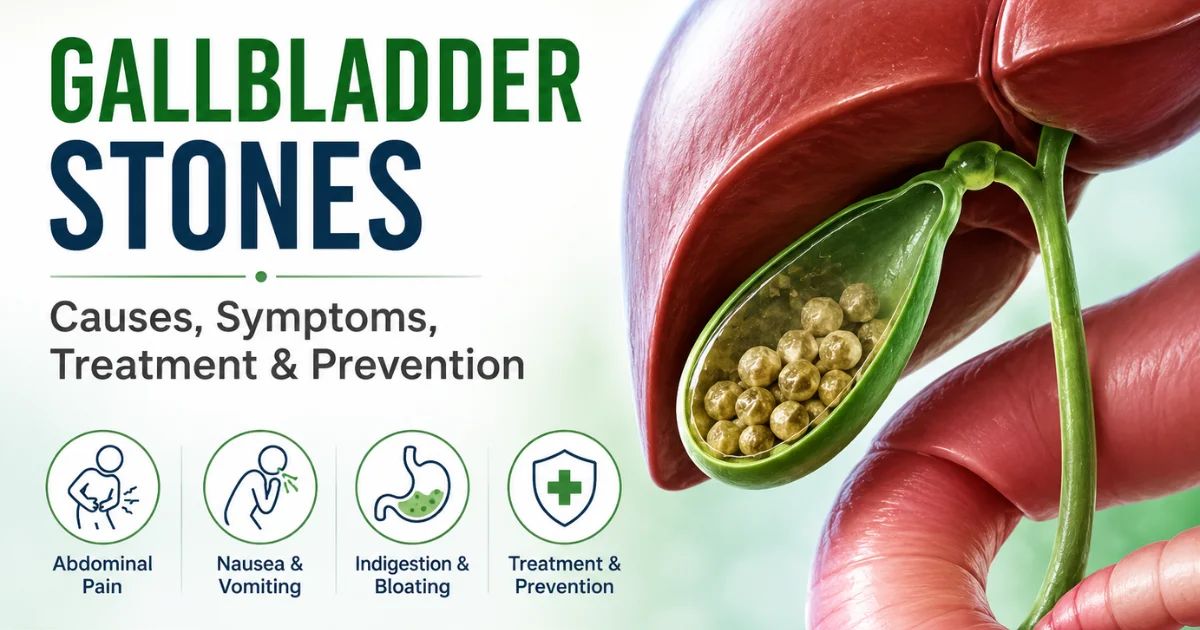
Gallbladder stones, commonly known as gallstones, are a common digestive health problem affecting millions of people worldwide. While some individuals may have gallstones without experiencing any symptoms, others can suffer from severe abdominal pain and complications that require medical treatment. Understanding the causes, symptoms, treatment options, and preventive measures can help individuals manage their health effectively and seek timely medical care when necessary.
What Are Gallbladder Stones?
The gallbladder is a small, pear-shaped organ located beneath the liver. Its primary function is to store and concentrate bile, a digestive fluid produced by the liver that helps break down fats in the food we eat.
Gallstones are hardened deposits that form inside the gallbladder. These stones can vary in size from tiny grains of sand to large stones several centimeters in diameter. A person may develop one large stone or multiple smaller stones.
Types of Gallstones
There are two main types of gallstones:
1. Cholesterol Stones
These are the most common type, accounting for approximately 80% of gallstones. They form when bile contains too much cholesterol and not enough substances to dissolve it.
2. Pigment Stones
These stones are smaller and darker in color. They develop when bile contains excessive amounts of bilirubin, a substance produced when red blood cells break down.
Causes of Gallbladder Stones
Gallstones form when the chemical composition of bile becomes unbalanced. Several factors can contribute to this condition, including:
- Excess cholesterol in bile
- High bilirubin levels
- Incomplete emptying of the gallbladder
- Obesity and overweight
- Rapid weight loss
- High-fat diets
- Diabetes
- Liver disease
- Family history of gallstones
- Pregnancy
- Increasing age
Women are generally more likely to develop gallstones than men, especially after the age of 40.
Symptoms of Gallbladder Stones
Many people with gallstones experience no symptoms and may only discover them during routine imaging tests. However, when a stone blocks a bile duct, symptoms can develop suddenly.
Common symptoms include:
Severe Abdominal Pain
Pain usually occurs in the upper right side of the abdomen and may last from a few minutes to several hours.
Pain After Eating
Symptoms often occur after consuming fatty or heavy meals.
Nausea and Vomiting
Digestive discomfort frequently accompanies gallbladder attacks.
Back or Shoulder Pain
Pain may radiate to the back or right shoulder blade.
Indigestion and Bloating
Some individuals experience frequent gas, bloating, and digestive discomfort.
Fever and Jaundice
If infection or blockage occurs, symptoms may include fever, chills, and yellowing of the skin or eyes.
Risk Factors for Gallstones
Several factors increase the likelihood of developing gallstones:
- Female gender
- Age over 40 years
- Obesity
- Sedentary lifestyle
- High-cholesterol diet
- Pregnancy
- Diabetes
- Family history
- Rapid weight loss programs
- Certain medications, including hormone therapy
Understanding these risk factors can help individuals adopt preventive measures early.
How Are Gallstones Diagnosed?
Doctors use various tests to diagnose gallstones and assess complications.
Ultrasound
Abdominal ultrasound is the most common and effective method for detecting gallstones.
Blood Tests
Blood tests help identify infection, inflammation, or bile duct obstruction.
CT Scan
A CT scan can provide detailed images of the gallbladder and surrounding organs.
MRI and MRCP
These imaging techniques help visualize bile ducts and identify blockages.
Treatment Options for Gallbladder Stones
Treatment depends on the severity of symptoms and the presence of complications.
Watchful Waiting
Asymptomatic gallstones often do not require immediate treatment.
Medications
Certain medications may help dissolve cholesterol stones, but treatment can take months or years and is not always effective.
Laparoscopic Cholecystectomy
The most common treatment for symptomatic gallstones is surgical removal of the gallbladder. This minimally invasive procedure involves small incisions and typically allows for faster recovery.
Open Surgery
In complex cases, traditional open surgery may be necessary.
Most people can live normal, healthy lives without a gallbladder because bile continues to flow directly from the liver into the small intestine.
Potential Complications
Untreated gallstones can lead to serious health problems, including:
Acute Cholecystitis
Inflammation of the gallbladder causing severe pain and fever.
Pancreatitis
Gallstones can block the pancreatic duct and trigger inflammation of the pancreas.
Bile Duct Obstruction
Blocked bile ducts can lead to jaundice and infection.
Gallbladder Infection
Severe infections may require emergency medical treatment.
Can Gallstones Be Prevented?
While not all gallstones can be prevented, healthy lifestyle habits can reduce the risk.
Maintain a Healthy Weight
Avoid obesity while also avoiding rapid weight-loss diets.
Eat a Balanced Diet
Focus on:
- Fruits and vegetables
- Whole grains
- Lean proteins
- Healthy fats
Limit:
- Fried foods
- Processed foods
- Excess sugar
- High-fat meals
Exercise Regularly
Regular physical activity supports healthy digestion and weight management.
Stay Hydrated
Adequate water intake supports overall digestive health.
Manage Medical Conditions
Proper control of diabetes and cholesterol levels may help lower risk.
When Should You See a Doctor?
Seek medical attention if you experience:
- Severe abdominal pain
- Persistent nausea or vomiting
- Fever with abdominal pain
- Yellowing of the skin or eyes
- Dark urine or pale stools
Prompt diagnosis can prevent complications and improve outcomes.
Conclusion
Gallbladder stones are a common yet potentially serious condition that can significantly impact digestive health. While many people remain symptom-free, others may develop painful attacks and complications requiring treatment. Understanding the causes, symptoms, and preventive strategies can help individuals take proactive steps toward better health.
Maintaining a healthy weight, following a balanced diet, staying physically active, and seeking medical evaluation for persistent symptoms are among the most effective ways to protect gallbladder health. Early diagnosis and appropriate treatment can help prevent complications and improve quality of life.
Latest Post
- World Contraception Day 2026 Importance, Methods, Benefits and the Need for Better Awareness
- World Physiotherapy Day Importance, Benefits, and the Role of Physiotherapy in Better Health
- World Sexual Health Day Promoting Awareness, Safety, Respect, and Healthy Relationships
- Gujarat Health Machinery Placed On High Alert Following Chandipura Virus Outbreak
- International Overdose Awareness Day 2026 Meaning, Importance, Overdose Prevention & Awareness