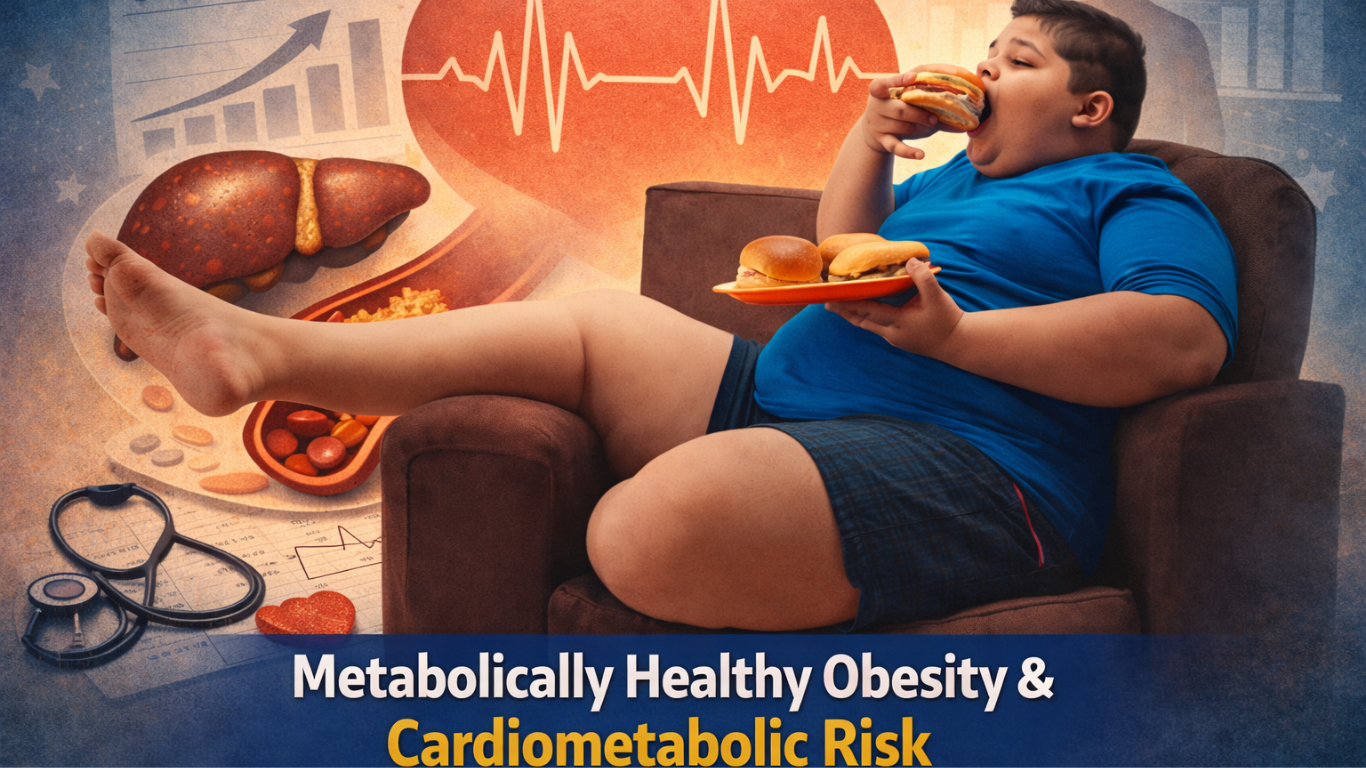
Childhood obesity has become a growing concern worldwide. In recent years, a term called “Metabolically Healthy Obesity (MHO)” has gained attention—referring to children who are overweight or obese but do not show immediate signs of metabolic problems like high blood sugar, abnormal cholesterol, or high blood pressure.
At first glance, this may seem reassuring. However, emerging research suggests that even metabolically healthy obese children are not truly risk-free. Over time, they may still develop serious cardiometabolic issues.
Let’s explore why.
What Is Metabolically Healthy Obesity in Children?
A child is considered metabolically healthy despite obesity if they:
- Have normal blood sugar levels
- Show healthy cholesterol and lipid profiles
- Maintain normal blood pressure
- Do not exhibit insulin resistance
These children may appear “healthy” during routine medical tests, leading parents to believe that excess weight is not currently harmful.
The Hidden Risk Beneath “Healthy” Obesity
Even without obvious symptoms, excess body fat can silently affect the body in several ways:
1. Early Fat Accumulation in Organs
Fat may begin to accumulate in vital organs like the liver and heart, increasing long-term disease risk—even before symptoms appear.
2. Inflammation in the Body
Obesity often triggers low-grade chronic inflammation. This inflammation may not show up in basic tests but can damage blood vessels over time.
3. Progression to Metabolic Disorders
Many metabolically healthy obese children eventually transition to:
- Type 1 diabetes
- Type 2 diabetes
- Hypertension
This shift can happen during adolescence or early adulthood.
Cardiometabolic Risks You Should Know
Even in the absence of immediate metabolic abnormalities, children with obesity may face:
- Increased risk of heart disease later in life
- Higher likelihood of developing atherosclerosis (hardening of arteries)
- Greater chances of metabolic syndrome
- Elevated long-term risk of stroke and diabetes
In simple terms, “healthy obesity” is often temporary—not permanent.
Why Early Intervention Matters
The earlier lifestyle changes are introduced, the better the outcomes. Childhood is a critical period where habits are formed and the body is more responsive to positive changes.
Ignoring obesity simply because current test results are normal can delay necessary intervention.
Practical Steps for Parents
Here are some actionable ways to reduce long-term risk:
🥗 Encourage Balanced Nutrition
- Focus on whole foods: fruits, vegetables, whole grains
- Limit processed foods, sugary drinks, and junk food
🏃 Promote Daily Physical Activity
- At least 60 minutes of moderate activity per day
- Include outdoor play, sports, or even walking
🛌 Ensure Proper Sleep
- Poor sleep is linked to weight gain and metabolic issues
- Maintain a consistent sleep schedule
📵 Reduce Screen Time
- Limit excessive use of phones, TV, and gaming
👩⚕️ Regular Health Monitoring
- Periodic check-ups to track weight, BMI, and metabolic indicators
Final Thoughts
The idea of metabolically healthy obesity in children can be misleading. While a child may not show immediate health problems, the underlying risks remain significant and often increase over time.
Addressing obesity early—even in the absence of symptoms—is crucial for preventing future cardiometabolic diseases.
Healthy habits today can protect your child’s heart tomorrow.
FAQs
1. Can a child be obese and still healthy?
Yes, temporarily. Some children may not show metabolic issues initially, but the risk of future health problems remains high.
2. Should parents worry if tests are normal?
Yes. Normal test results do not eliminate long-term risks associated with obesity.
3. At what age should intervention begin?
As early as possible. Prevention and early management are key.
4. Is weight loss necessary for all children?
Not always immediate weight loss, but healthy lifestyle changes are essential for all.
Conclusion:
Metabolically healthy obesity is not a safe zone—it’s often a warning phase. Early awareness and action can make a lifelong difference.
Latest Post
- World Hemophilia Day 2026: Raising Awareness, Inspiring Change
- Condom Shortage in the Indian Market: Causes, Impact, and How to Manage It
- Best Summer Skincare Routine for All Skin Types (Simple Guide)
- Cicada COVID Variant BA.3.2: Symptoms, Spread & Latest Updates (2026)
- World Chagas Disease Day – 14 April 2026: Spreading Awareness About a Neglected Disease