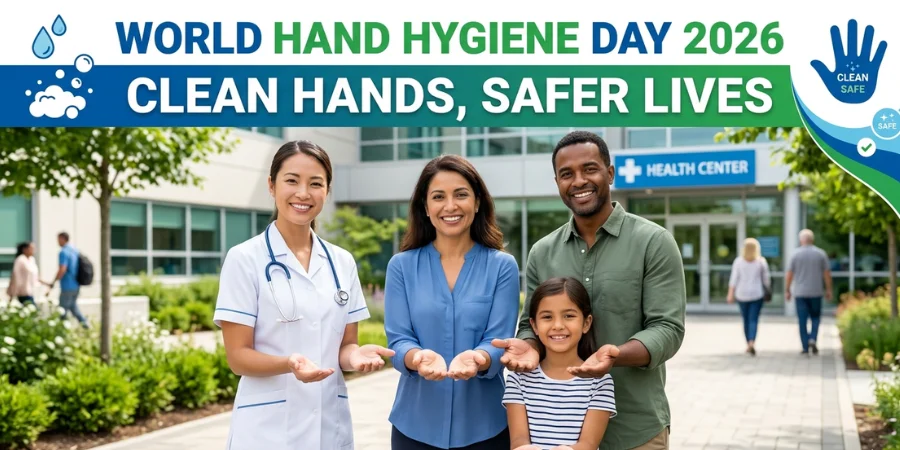
Every year on May 5, the world comes together to observe World Hand Hygiene Day—a powerful reminder that something as simple as cleaning our hands can save lives. In 2026, this global health campaign continues to highlight the critical role of hand hygiene in preventing infections, protecting healthcare workers, and improving overall public health.
Why Hand Hygiene Matters
Hand hygiene is one of the most effective and affordable ways to prevent the spread of infections. Our hands come into contact with countless surfaces, germs, and bacteria throughout the day. Without proper cleaning, these microorganisms can easily enter our bodies or spread to others.
Diseases such as respiratory infections, diarrhea, and even more serious illnesses can be transmitted through contaminated hands. According to the World Health Organization, proper hand hygiene can reduce healthcare-associated infections significantly and save millions of lives every year.
Theme of World Hand Hygiene Day 2026
Each year, a specific theme is chosen to focus global attention on a key aspect of hygiene. While themes may vary, the 2026 campaign continues to emphasize:
- Strengthening infection prevention practices
- Ensuring access to clean water and sanitation
- Promoting hand hygiene in healthcare settings and communities
The message is simple yet impactful: Clean hands are essential for safe care.
Importance in Healthcare Settings
Hand hygiene is especially critical in hospitals and clinics. Healthcare workers interact with multiple patients daily, making them potential carriers of harmful pathogens if proper hygiene is not maintained.
The WHO promotes the “5 Moments for Hand Hygiene,” which include:
- Before touching a patient
- Before clean/aseptic procedures
- After body fluid exposure risk
- After touching a patient
- After touching patient surroundings
By following these steps, healthcare professionals can drastically reduce infection risks and ensure patient safety.
Hand Hygiene in Daily Life
Hand hygiene isn’t just for healthcare workers—it’s for everyone. In our daily routines, we often underestimate the importance of washing hands properly.
When Should You Wash Your Hands?
- Before eating or preparing food
- After using the toilet
- After coughing or sneezing
- After touching public surfaces
- After handling waste or garbage
- After caring for someone who is sick
How to Wash Hands Properly
Follow these simple steps for effective handwashing:
- Wet your hands with clean water
- Apply soap and lather well
- Scrub all surfaces (including between fingers and under nails) for at least 20 seconds
- Rinse thoroughly
- Dry with a clean towel or air dry
If soap and water are not available, using an alcohol-based hand sanitizer is a good alternative.
Role of Awareness Campaigns
Campaigns like World Hand Hygiene Day play a crucial role in educating people and encouraging behavioral change. Schools, hospitals, and communities organize activities such as:
- Awareness workshops
- Demonstrations of proper handwashing techniques
- Social media campaigns
- Poster and slogan competitions
These initiatives help reinforce the importance of hygiene and make it a daily habit.
Challenges in Hand Hygiene
Despite its importance, many regions still face challenges in maintaining proper hand hygiene. Lack of access to clean water, sanitation facilities, and hygiene education remains a major issue, especially in low-resource settings.
Addressing these challenges requires global cooperation, government initiatives, and community participation.
How You Can Contribute
Everyone has a role to play in promoting hand hygiene. Here are some simple ways you can contribute:
- Practice regular handwashing
- Educate family and friends
- Encourage children to develop hygiene habits
- Support initiatives that promote sanitation and clean water
Small actions can lead to big changes.
Conclusion
World Hand Hygiene Day is more than just a date—it’s a global movement toward healthier and safer communities. In 2026, the message remains clear: clean hands save lives.
By making hand hygiene a daily habit, we not only protect ourselves but also contribute to a healthier world. Whether at home, in schools, or in healthcare settings, every clean hand counts.
Let’s take a step forward this May 5 and commit to better hygiene—for ourselves and for everyone around us.
Latest Post
- World Contraception Day 2026 Importance, Methods, Benefits and the Need for Better Awareness
- World Physiotherapy Day Importance, Benefits, and the Role of Physiotherapy in Better Health
- World Sexual Health Day Promoting Awareness, Safety, Respect, and Healthy Relationships
- Gujarat Health Machinery Placed On High Alert Following Chandipura Virus Outbreak
- International Overdose Awareness Day 2026 Meaning, Importance, Overdose Prevention & Awareness