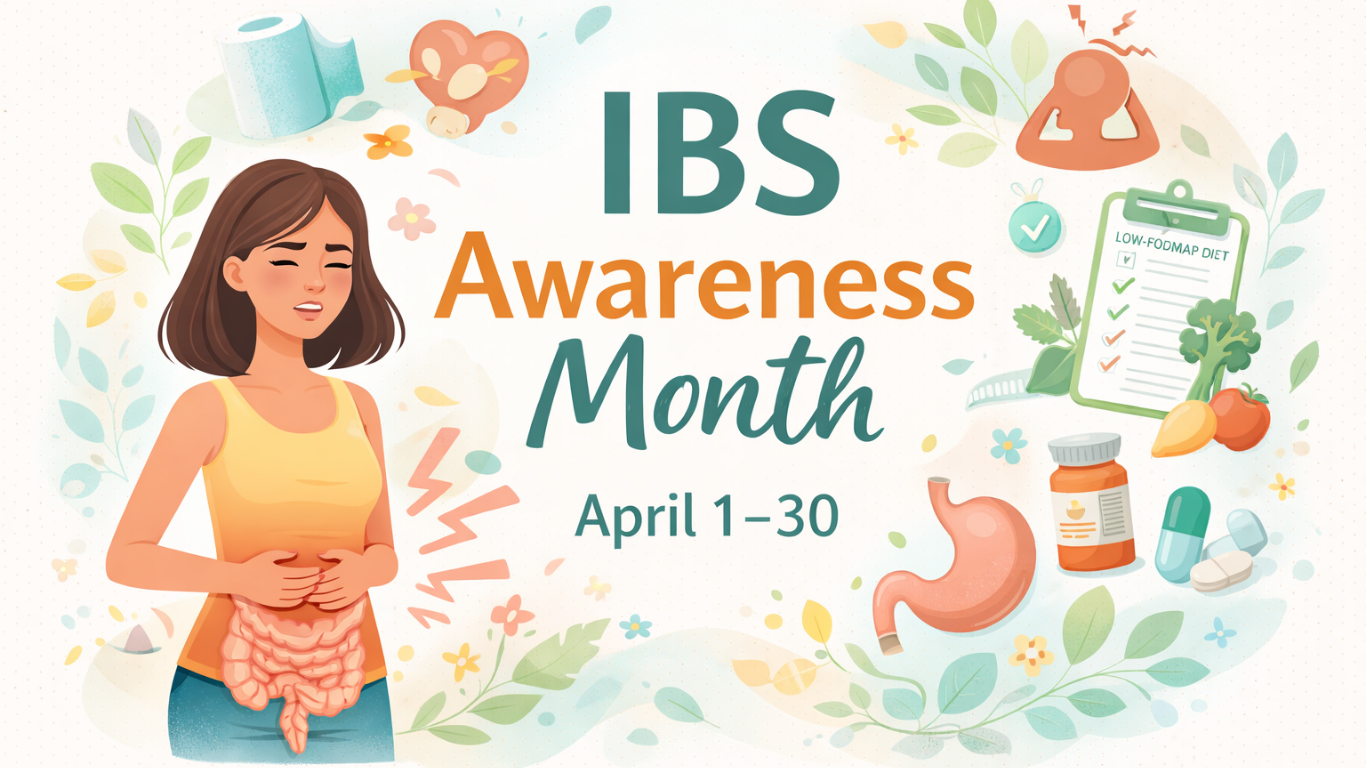
April 1–30 marks Irritable Bowel Syndrome (IBS) Awareness Month, a time dedicated to raising awareness about a common yet often misunderstood digestive disorder. Millions of people worldwide live with IBS, but many suffer in silence due to stigma or lack of information.
Let’s break the silence and understand IBS better.
What is Irritable Bowel Syndrome (IBS)?
Irritable Bowel Syndrome (IBS) is a chronic condition that affects the large intestine (colon). It impacts how your gut functions, leading to discomfort and changes in bowel habits.
Although IBS doesn’t cause permanent damage to the intestines, it can significantly affect your quality of life.
Common Symptoms of IBS
Symptoms can vary from person to person, but the most common include:
- Abdominal pain or cramping
- Bloating and gas
- Diarrhea, constipation, or both (alternating)
- Mucus in stool
- Feeling of incomplete bowel movement
Symptoms often come and go and may worsen during periods of stress.
What Causes IBS?
The exact cause of IBS is not fully understood, but several factors may contribute:
- Gut-brain interaction issues
- Food sensitivities (like dairy, gluten, or spicy foods)
- Stress and anxiety
- Hormonal changes
- Changes in gut bacteria (microbiome)
Types of IBS
IBS is generally classified into different types based on bowel habits:
- IBS-D: Diarrhea-predominant
- IBS-C: Constipation-predominant
- IBS-M: Mixed (alternating diarrhea and constipation)
How is IBS Diagnosed?
There is no single test for IBS. Doctors usually diagnose it based on symptoms, medical history, and by ruling out other conditions such as infections or inflammatory bowel diseases.
Tips to Manage IBS
While there is no cure for IBS, lifestyle changes can help manage symptoms effectively.
1. Follow a Balanced Diet
- Avoid trigger foods (spicy, fatty, or processed foods)
- Try a low-FODMAP diet if recommended
- Eat smaller, regular meals
2. Manage Stress
Stress is a major trigger for IBS symptoms.
- Practice meditation or deep breathing
- Try yoga or light exercise
- Maintain a healthy work-life balance
3. Stay Hydrated
Drinking enough water helps regulate digestion and prevent constipation.
4. Exercise Regularly
Physical activity improves digestion and reduces stress.
5. Get Enough Sleep
Poor sleep can worsen IBS symptoms, so aim for 7–8 hours daily.
6. Consult a Doctor
If symptoms persist, seek medical advice. Treatment may include medications, probiotics, or therapy.
Why IBS Awareness Month Matters
IBS Awareness Month aims to:
- Educate people about IBS
- Reduce stigma around digestive health
- Encourage early diagnosis and treatment
- Support those living with IBS
How You Can Participate
- Share educational content on social media
- Talk openly about digestive health
- Support friends or family dealing with IBS
- Make healthier lifestyle choices
Final Thoughts
Living with IBS can be challenging, but with the right knowledge and lifestyle changes, it is manageable. This April, take a step toward better digestive health by understanding your body and spreading awareness.
Your gut health matters—listen to your body and take care of it every day.
Latest Post
- Earth Day 2026: Importance, History & Simple Ways to Save Our Planet
- World Irritable Bowel Syndrome (IBS) Day 2026: Understanding Symptoms, Causes, and Management
- World Liver Day 2026: Causes, Symptoms, and Tips for Healthy Liver
- World Hemophilia Day 2026: Raising Awareness, Inspiring Change
- Condom Shortage in the Indian Market: Causes, Impact, and How to Manage It